
Contents
Overview
Digital art, a collective term for art generated digitally with the computer, has evolved significantly. With the rise of Web3 technologies, digital art has become a crucial aspect of the online art market, with platforms like OpenSea and Rarible enabling artists to create, sell, and own unique digital assets. The use of blockchain technology has also led to the creation of new business models, such as NFTs (non-fungible tokens). As a result, digital art has become a significant part of the Web3 ecosystem, with artists like Beeple and Refik Anadol pushing the boundaries of what is possible in the digital art world.
🎨 Origins & History
The first digital art pieces were created using mainframe computers and plotter printers, and were often simple geometric shapes and patterns. As technology improved, digital art became more sophisticated, with the introduction of graphics software and the internet. Today, digital art is a thriving industry, with artists using a range of tools and techniques to create complex and intricate pieces. For example, the use of machine learning algorithms has enabled artists to generate realistic images and videos.
⚙️ How It Works
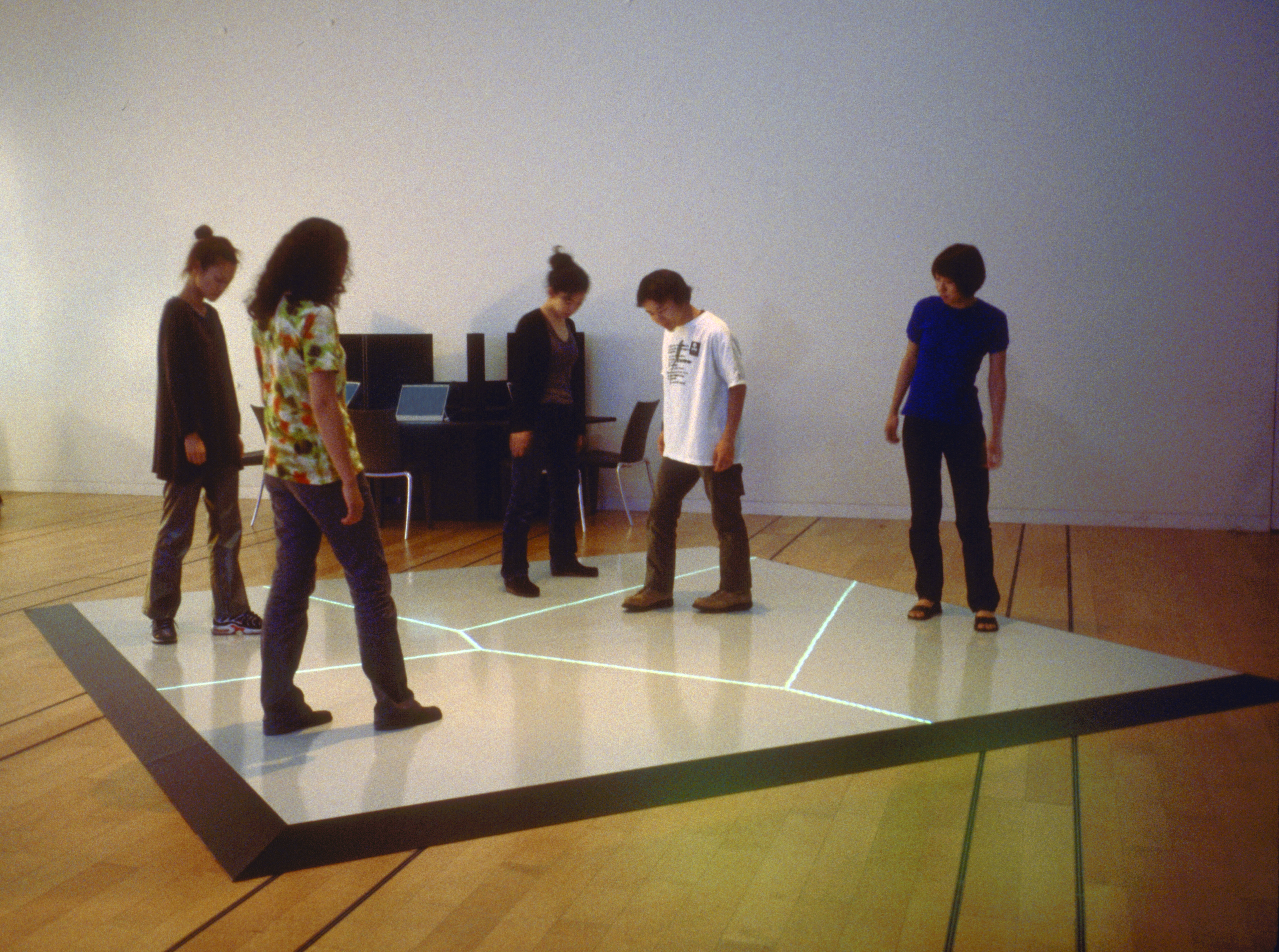
Digital art works by using a range of digital tools and software, including graphics programs like Adobe Photoshop and Blender. Artists can create digital art using a variety of techniques, including digital painting, 3D modeling, and animation. Digital art can also be interactive, with artists using programming languages like JavaScript and Python to create immersive and interactive experiences.
📊 Key Facts & Numbers
Digital art is becoming more mainstream, with museums and galleries exhibiting digital art pieces. For example, artists like Beeple and Refik Anadol are pushing the boundaries of what is possible in digital art.
👥 Key People & Organizations
Key people in the digital art world include artists like Beeple and Refik Anadol. Other important figures include curators and organizations that provide support and resources for digital artists.
🌍 Cultural Impact & Influence
The use of digital technologies has reduced the need for physical materials and waste. For example, the use of digital painting software has reduced the need for physical paints and canvases, while the use of 3D modeling software has reduced the need for physical prototypes and models.
⚡ Current State & Latest Developments
The current state of digital art is one of growth and innovation, with new technologies and platforms emerging all the time.
🤔 Controversies & Debates
There are several controversies and debates surrounding digital art, including the question of what constitutes digital art and how it should be valued and preserved.
🔮 Future Outlook & Predictions
The future of digital art is likely to be shaped by continued growth and innovation of digital technologies.
💡 Practical Applications
Digital art has a range of practical applications, including the use of digital art in advertising and marketing, the use of digital art in education and training, and the use of digital art in therapy and treatment. For example, the use of virtual reality technology has enabled artists to create fully immersive digital art experiences.
Key Facts
- Category
- nft-culture
- Type
- topic